
BWPA 15 Judge Spotlight: Neil McIntyre
With the 15th British Wildlife Photography Awards now closed for entries and judging underway, we caught up with this year’s panel to find out more about who will be deciding this year’s winners.
Read on to discover more about award-winning wildlife photographer and specialist tour operator Neil McIntyre - including what he’ll be looking for when judging your entries!
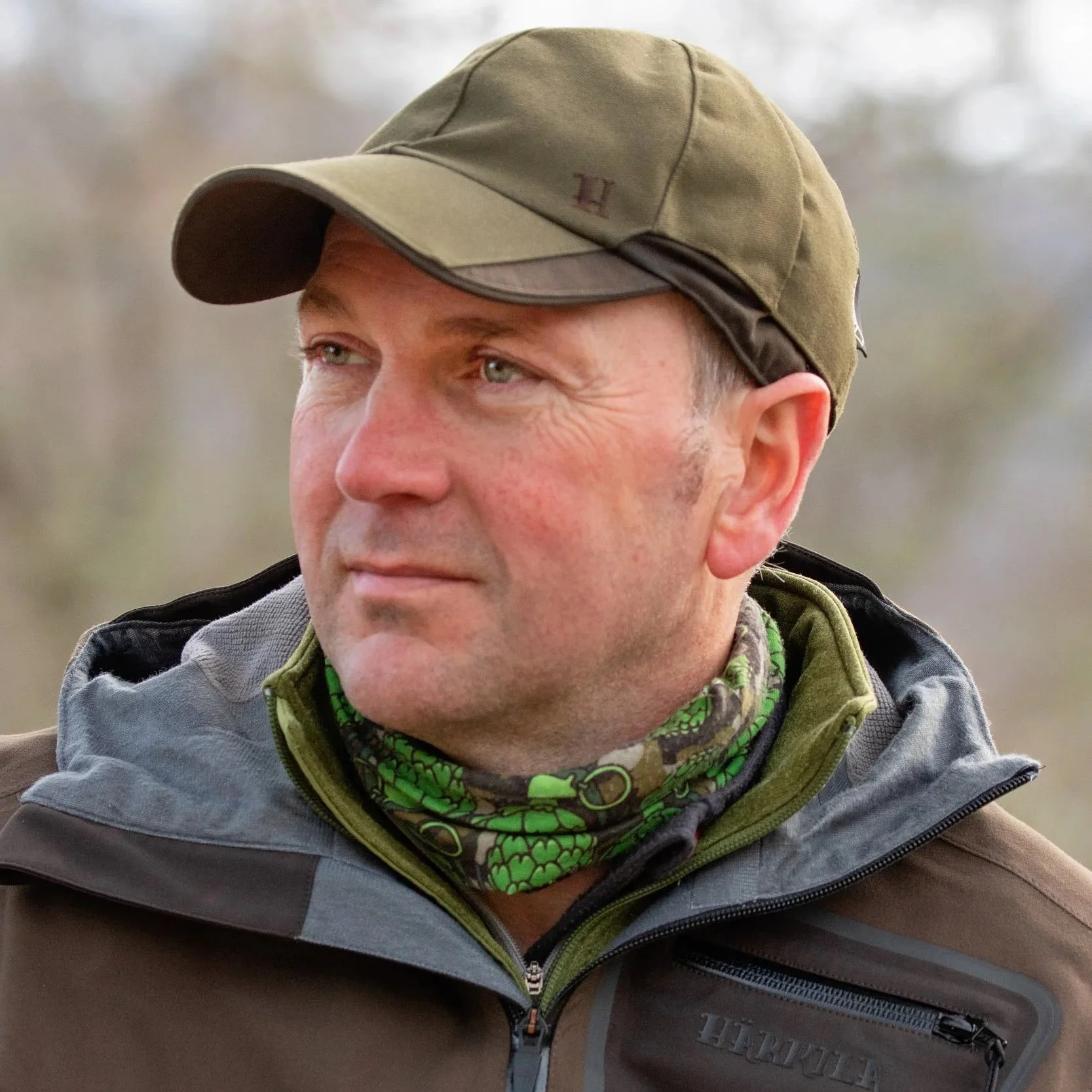
What inspired you to take up nature photography, why did you choose to make it your career and what do you love most about it?
My initial interest was purely in wildlife. I loved seeing animals and birds while out and about with my father, who was a gamekeeper. When I was about eight years old, a wildlife cameraman called Hugh Milles came to the estate where my dad worked to make a film about ospreys. He had an assistant who was taking still photographs, and one day he took me out to photograph the dippers nesting beneath an old bridge near our house.
At the time, photography was all shot on film, and he let me take a few transparencies myself. When they came back from processing, and I saw the images, I was completely hooked. It wasn't just the wildlife that fascinated me anymore - it was the photography and the ability to share with others what I had seen.
Some time later, Hugh’s film was shown on television, and that reinforced just how powerful photography and filmmaking could be. From that moment on, I knew that one day I wanted to do the same thing myself.
Tell us about a highlight and a lowlight of your career
It’s very difficult to choose just one highlight, as producing successful images of a wide variety of subjects over the years has always been immensely rewarding. However, on a personal level, the standout achievement was having my first book published, The Red Squirrel – A Future in the Forest. It represented the culmination of many years spent photographing these fantastic little animals, so seeing all that work come together in a published book was the fulfilment of a lifelong goal and a particularly proud moment for me.
As for lowlights, they are not really related to photography itself. The ups and downs of the profession are simply part and parcel of the business. What affects me more are the issues surrounding wildlife. In particular, I find the often overly negative - and at times almost obsessive - narrative about deer, promoted by some conservation and rewilding organisations, especially here in Scotland, to be frustrating.
BWPA 15 is now closed.
View last year’s winners in our gallery
If you could go back to when you were just starting out, what advice would you give yourself?
Looking back, the sooner I mastered these things, the better my photography became.
First, getting to know your camera and its settings inside out. Understand what each setting does and how it can affect your images. Practice until making adjustments becomes instinctive and second nature. In wildlife photography, you often don't have the luxury of spending time fiddling with settings when a fleeting moment presents itself.
Second, find a subject - or a few subjects - on your local patch and photograph them as regularly as possible. Learn as much as you can about their behaviour and habits. Over time, this knowledge will help you anticipate opportunities and create stronger, more unique images.
The same principle can be applied to almost any subject you photograph. Research and familiarity will always pay dividends, leading to better photographs and more rewarding experiences in the field.
What is your favourite British species, landscape or habitat to photograph and why?
I find it very difficult to choose just one favourite, as most of the species I photograph have their own unique characteristics. However, if I had to pick one, the red deer would just edge it.
I love their elegance and stature; they are such proud, graceful animals. From a photographic perspective, they offer so many varied opportunities, particularly here in the Highlands where I live. They embody so much of what makes the Highlands special, and I hope the image shown here demonstrates both their beauty and the reasons why they are my favourite.

© Neil McIntyre
Show us your favourite photo that you have ever taken - why is it your favourite and what is the story behind it?
When it comes to my favourite photograph, it really comes down to a personal attachment to both the subject itself and the story behind capturing the image. As I've mentioned before, red deer are my favourite subject, so it should come as no surprise that my favourite photograph is of a red deer stag.
Capturing this particular shot required several challenging elements to come together at exactly the right moment. First, I needed to be in the perfect position. Second, I needed the exact lighting conditions I was looking for—in this case, low, direct backlighting. Finally, I needed the subject to do exactly what I hoped for at precisely the right time: roar.
After many failed attempts, with one crucial element always missing, this particular evening looked promising. However, with the light fading quickly, it seemed as though it might end up being another missed opportunity. With no more than 15 minutes before the sun disappeared behind the horizon, the stag finally moved into a suitable position and I knew it was time to make my move.
Using a knoll for cover, I carefully sneaked around its side and could see only the stag's head protruding above the ground. He was perfectly positioned, the light was sublime, and all I needed now was for him to roar so that his breath would catch the backlight.
I took a few photographs regardless, as it was already a beautiful scene. Then, at last, he raised his head and roared. The backlit breath illuminated more spectacularly than I could ever have imagined. It was an unforgettable moment. No more than five minutes later, the sun dipped behind the hill and the opportunity was gone.
Looking back, it's not just the image itself that makes it my favourite photograph, but the combination of persistence, timing, and the incredible conditions that all came together in those fleeting final moments.

© Neil McIntyre
What is the most challenging shot you have ever captured - and why?
While many photographs have challenged me over the years, few have tested my patience as much as this image of black grouse lekking.
After observing two males squaring up in a composition I knew had great potential, I became determined to capture the moment exactly as I imagined it. What followed was nearly twenty early-morning visits before everything finally aligned - the birds, the light, the positioning, and the pose. The result was the photograph I had envisioned from the very beginning.
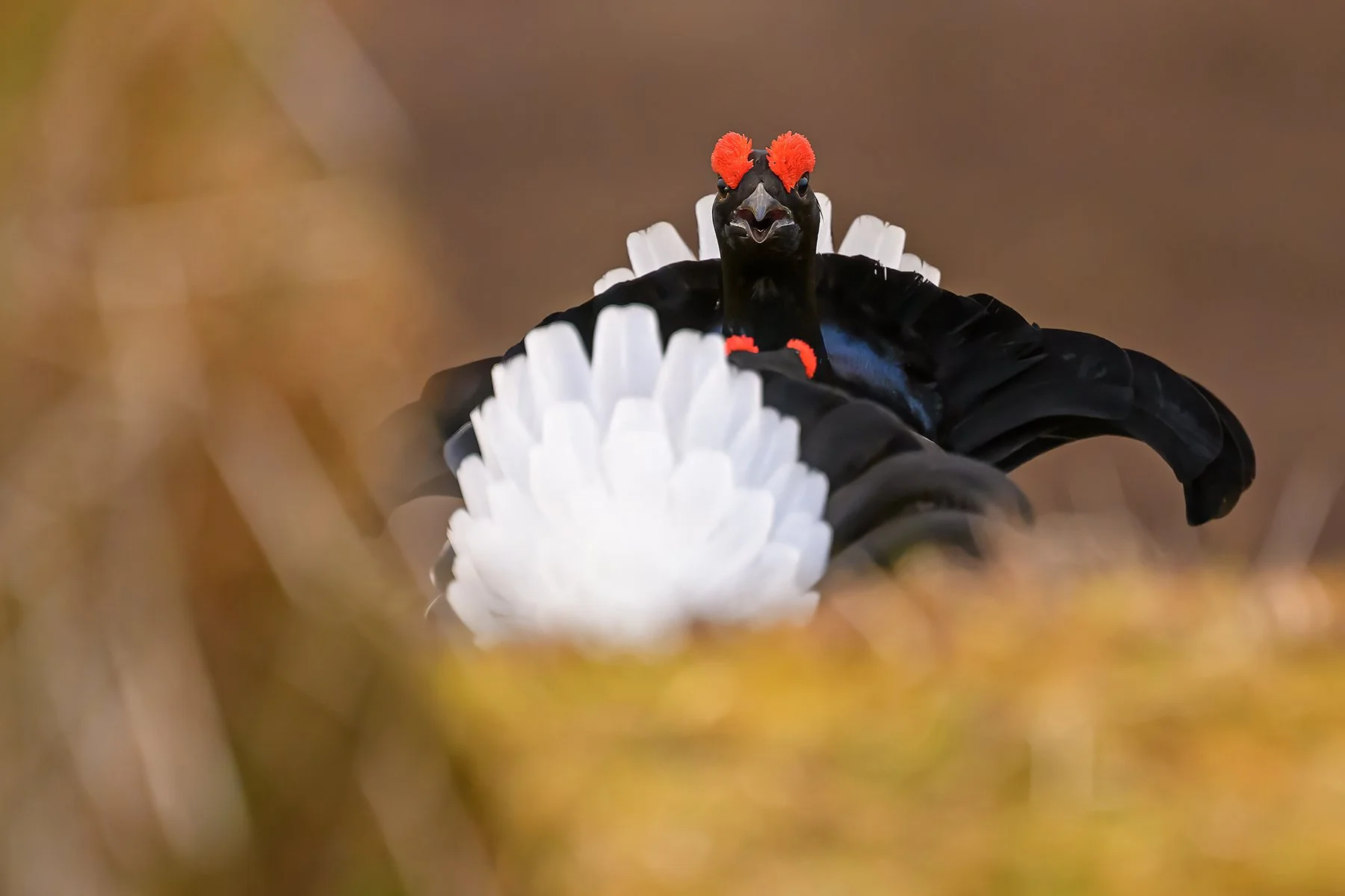
© Neil McIntyre
Which BWPA category is your favourite and why?
My favourite category would be ‘Habitat’, just edging ahead of ‘Animal Portraits’.
What appeals to me is that these two categories sit at opposite ends of the framing spectrum - from intimate close-up portraits to subjects that appear small within a much wider scene. Both require different approaches, ways of thinking, and photographic skills.
Habitat photography comes out on top for me because I enjoy the landscape element that it demands. The challenge of incorporating the environment and making all the elements work together adds another layer of creativity. When done well, habitat images can feel more unique and tell a richer story about the subject and the place it lives, which is what I find most rewarding.
You can see the full list of BWPA Categories here.
What are your top tips and advice to entrants - how can they make their images stand out?
When looking through thousands of images, such as in the BWPA, a photograph needs to stand out and make the judge pause. To achieve that, you need something original and engaging: beautiful light, interesting behaviour, a compelling composition, or the use of weather such as rain, snow, or mist to add atmosphere and mood. Even commonly photographed subjects can catch attention when captured in a unique way.
Having a story behind a picture is always a bonus, but it is by no means essential. Not every moment presents a narrative, so don't let the absence of one hold you back. Take portraits, for example. They are often less about storytelling and more about creating interest and capturing a fleeting look, expression, or pose. It's all about preserving a moment in time in the most special way possible.
First and foremost, photography is a visual art. You want to create something that makes people stop and look. If you can do that, you have a chance of progressing.
Also, pay close attention to the category descriptions and enter your images accordingly. I have all too often seen photographs entered into completely inappropriate categories, which can diminish their chances if they do not match the guidance. BWPA offers a great range of categories, so there is a place for every type of image.
Neil will be joining our other wonderful judges on the panel for the 15th British Wildlife Photography Awards.
Entries for this year’s competition are now closed and judging is underway!
Updates will be shared on our socials and in our newsletter.
