
BWPA 15 Judge Spotlight: David Chapman
With the judging for the 15th British Wildlife Photography Awards well underway, we caught up with our judging panel to find out more about how they turned their passion for wildlife photography into successful careers.
Read on to discover more about photographer, writer, and speaker David Chapman - including his expert tips for entering the competition!
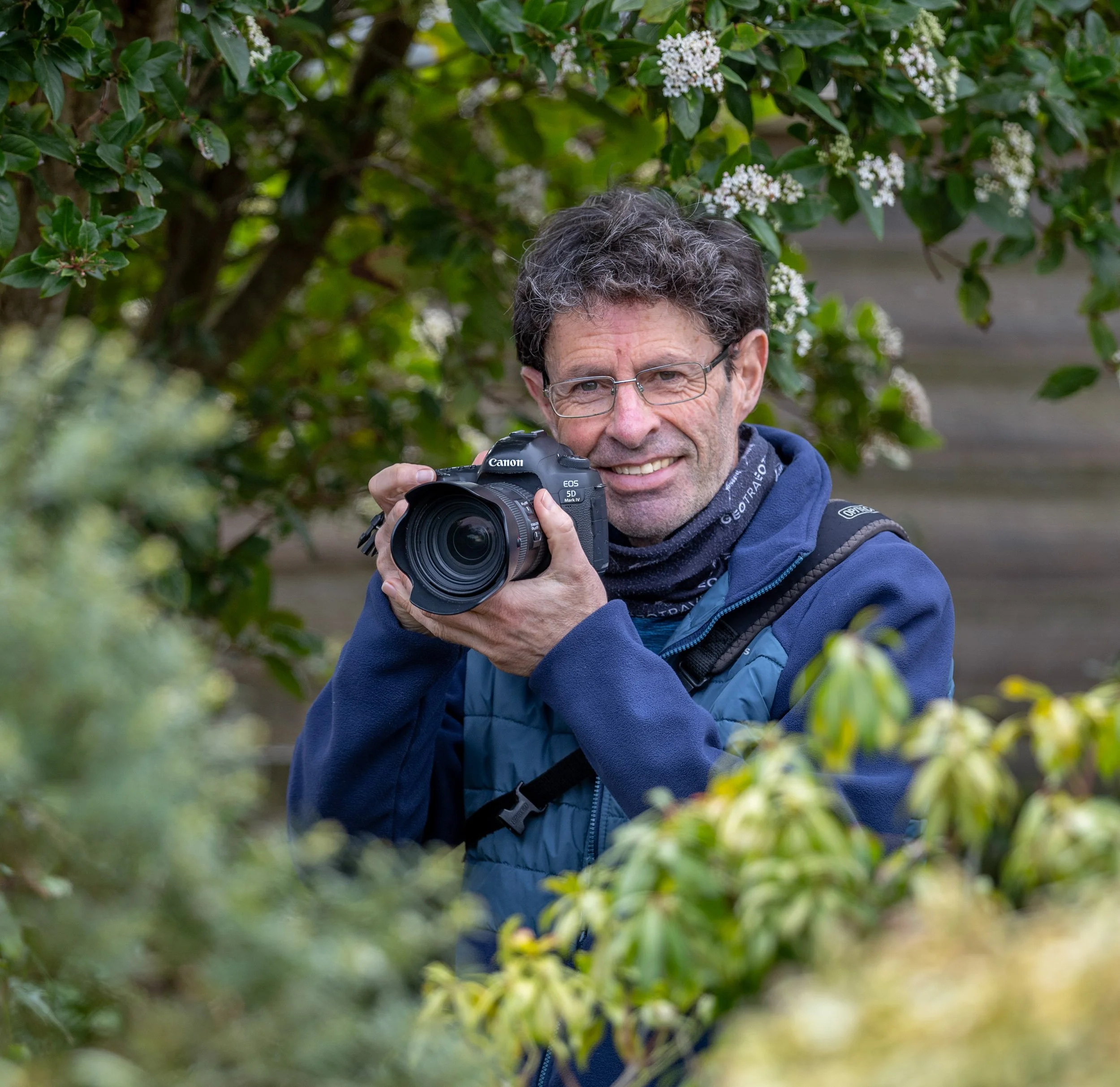
What inspired you to take up nature photography, why did you choose to make it your career and what do you love most about it?
My father was a keen amateur photographer so my photographic influence came from him. I owned my first camera at the age of 12, a compact 35mm film camera. At the age of 15 I bought my first SLR, a Praktica MTL3. It cost £50. That was a lot of money for me at the time.
Throughout my childhood my family took me camping in the countryside of Lancashire, Yorkshire and Cumbria. Being an early-riser I had hours of time to kill so I started walking in the countryside and developed a keen interest in bird watching. When I was 17 years old I bought a 500mm mirror lens and started to take photos of birds. My interest in bird photography was born.
It was my dream to turn this hobby into a profession, and that’s exactly what I did over a two or three year period between 2000 and 2002. I love the freedom of being self-employed and I am at my happiest when spending time in nature.
Tell us about a highlight and a lowlight of your career
One of my career highlights was the publication of my first book, ‘Wild about Cornwall’ in 2007. Full of my own photographs and written by my own fair hand, it was very well-received and something to be proud of. Since then, I have produced a further 13 books but none quite as special as the first!
I don’t think it’s possible to pick out a single lowlight. But what I would say to anyone wanting a career as a wildlife photographer is to be prepared for plenty of rejections. Whether you choose to enter competitions or want to get an article or book published, the odds are always stacked against you. At the busiest stage of my writing career, I was contributing to about ten magazines every month, but to get to that level, I had been rejected more often than I care to think about.
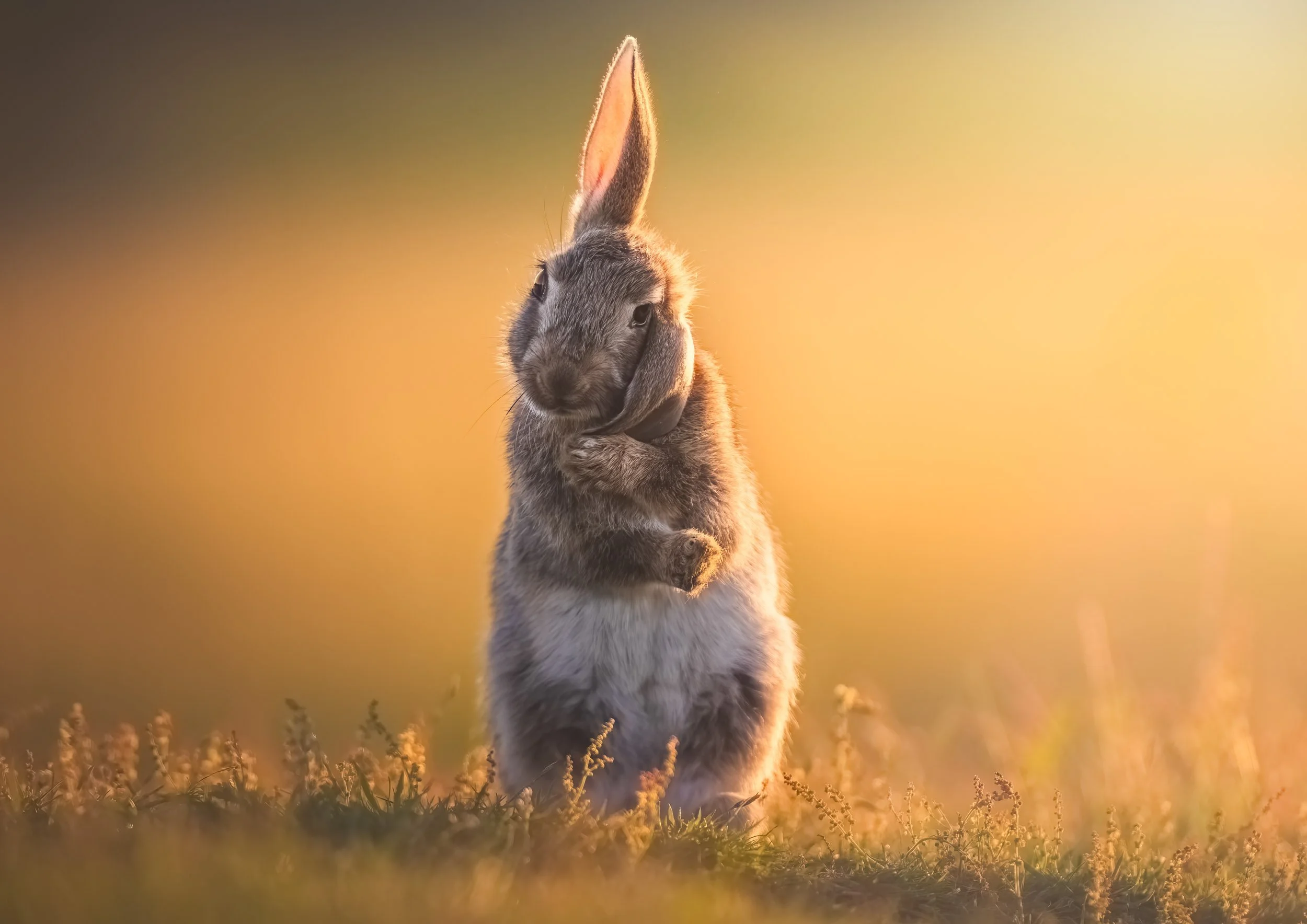
BWPA 15 is now closed for entries.
See last year’s winners in our gallery
If you could go back to when you were just starting out, what advice would you give yourself?
Believe in yourself. As a child, I was never very confident, but when I became a maths teacher my self-belief grew to the extent that, when I was 35 years old, I had the confidence to leave teaching and follow my passion as a wildlife and landscape photographer and writer.
What is your favourite British species, landscape or habitat to photograph and why?
I don’t have a favourite species, there are too many to choose from. My favourite locations are around the coast of my adopted home county of Cornwall. I regard myself primarily as a wildlife photographer, but to be able to turn my hand to landscape photography has been vital in my career. I use landscape photos to illustrate places and habitats, and in Cornwall, a county known for its sheer beauty, tourists buy more landscape than wildlife photos!
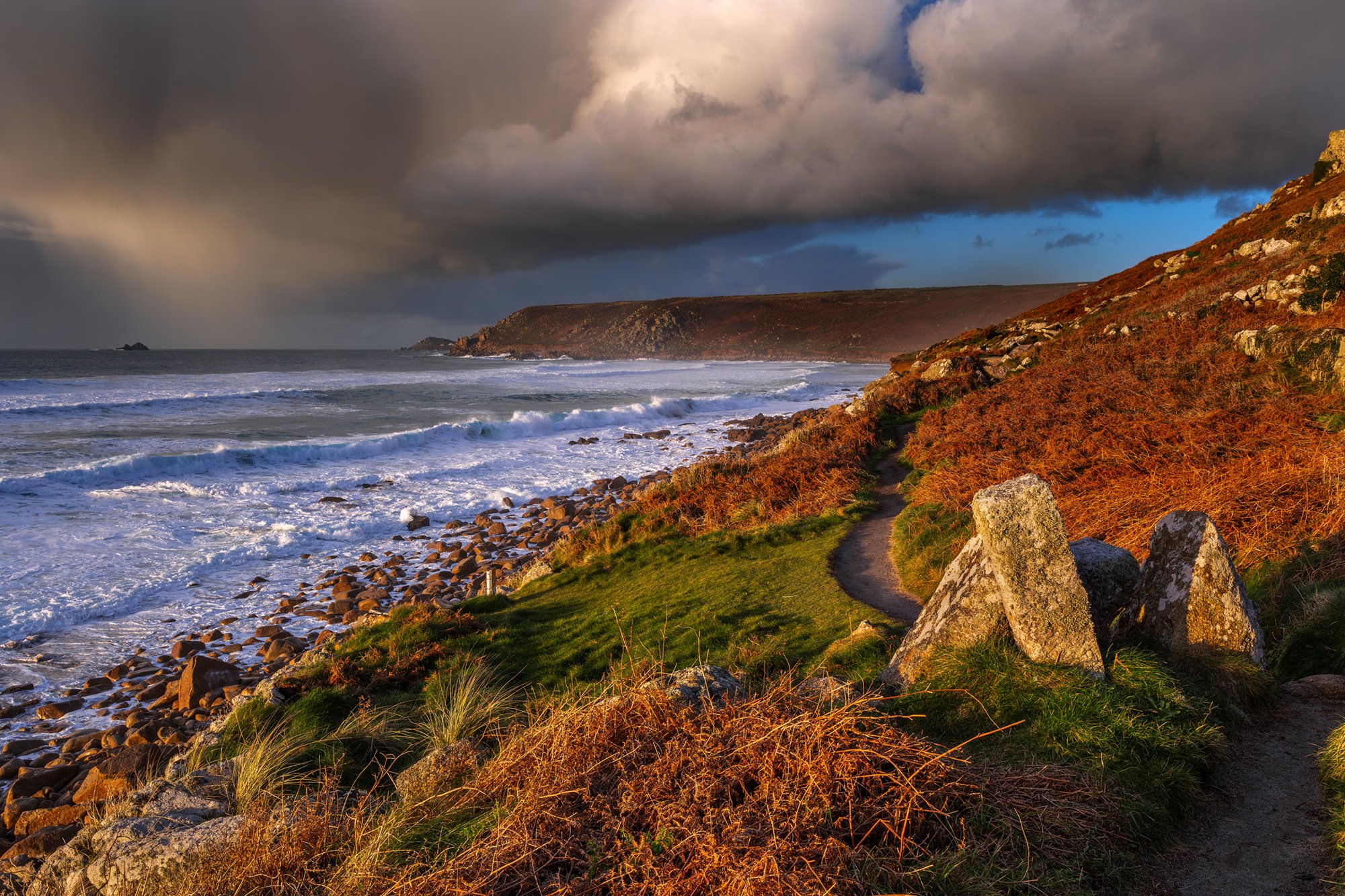
This is a photo I recently took from Whitesand Bay, Sennen. It demonstrates what I try to achieve in a landscape photo: a sense of location, but with atmosphere and a good composition, helped by a nice sky. © David Chapman
Show us your favourite photo that you have ever taken - why is it your favourite and what is the story behind it?
Favourite and ‘best’ photos change with time and mood, but photos with memories stay with you forever. This photo of a mountain hare is not my best, but every time I look at it, I am taken back to a very special moment in time.
It might be difficult to believe, but as I took this photo, I was leading a group of young wildlife photography students. It took us about two hours in bitterly cold conditions to stalk this individual, but all of us got within photographing distance of this beautiful creature while it munched and snoozed oblivious to the eight of us, shoulder to shoulder, lying in the snow like a snow drift. We might have been cold, but we were buzzing with excitement. That was a proper team-building exercise!
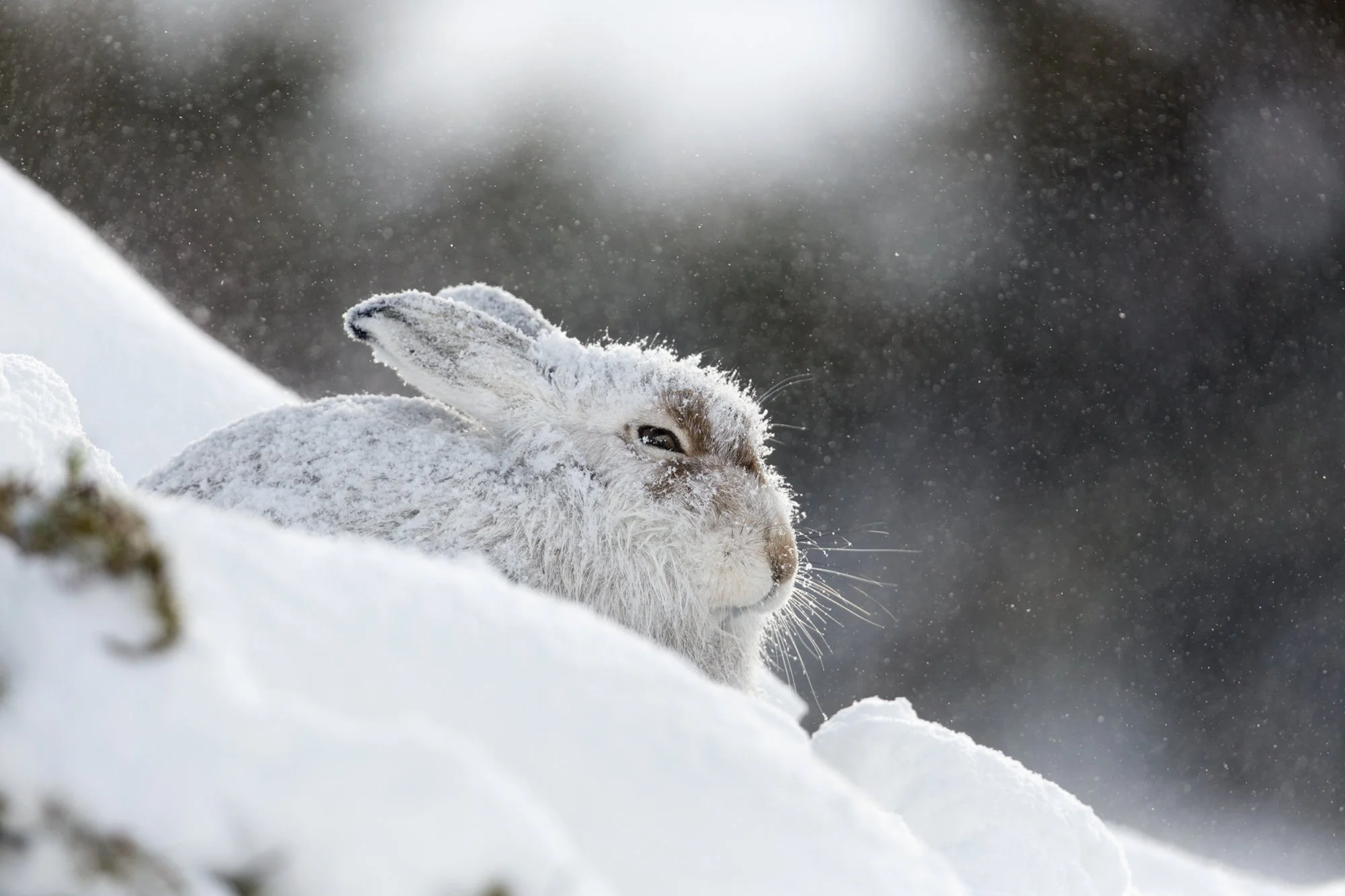
© David Chapman
What is the most challenging shot you have ever captured - and why?
I could answer this question with a whole host of different images for an equally diverse range of reasons! I am going to choose a golden eagle photo that I took in Norway. I had been commissioned by a magazine called ‘Bird Art and Photography’ to write an article about photographing birds in winter in Norway. With the support of an organisation in Norway called DinTur, I was given the use of a variety of hides and locations for a week.
The first two days were to be dedicated to eagle photography. Needless to say nothing showed up, except magpie, hooded crow and great tit, not species that we would typically go to Norway for. So that was 16 hours spent in sheds in a beautiful country with nothing to show for it.
The reserve plan came into action towards the end of the week. I had to get up at 3am, drive for two hours on icy roads in the pitch black to meet a man at a petrol station. He then drove me for a further hour into the mountains, where we transferred into a snowmobile. I travelled in the trailer with all the gear, and to say it was cold would be an understatement. After a further half hour, we arrived at a hide while it was still dark.
We sat together for the day in a very comfortable hide and eventually, towards the end of the afternoon, we were blessed with a beautiful golden eagle in falling snow.
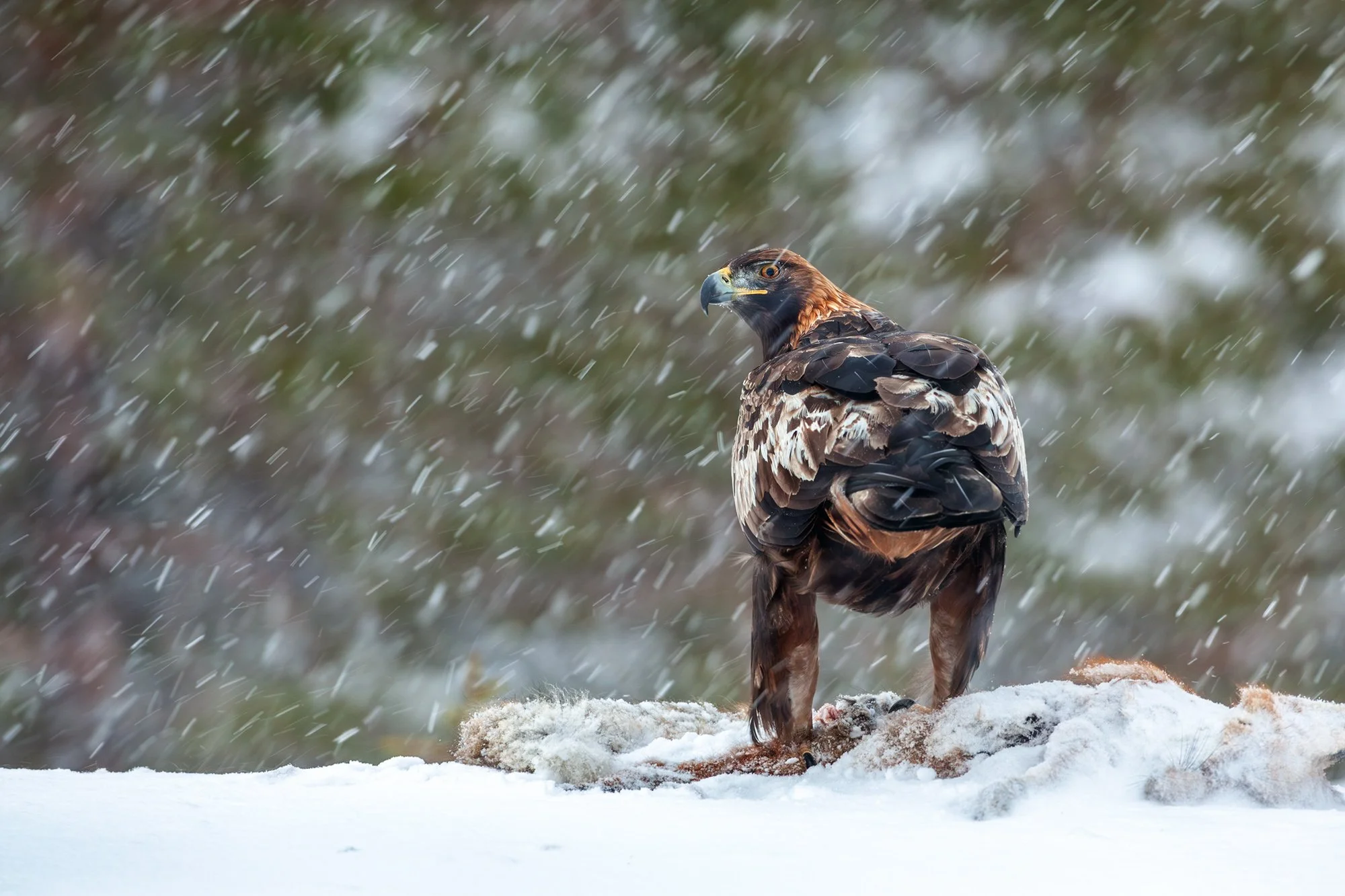
© David Chapman
Which BWPA category is your favourite and why?
‘Hidden Britain’. Despite my story about photographing a golden eagle in Norway, I actually feel most content when I am photographing subjects in a relaxed manner, more locally. I love being immersed in the countryside and nature. We don’t need to go to Africa, Costa Rica or even Norway to get great photos, spend time at a local nature reserve, or even in your garden; look carefully and you will find beauty in nature.
You can see the full list of BWPA 15 Categories here.
What are your top tips and advice to entrants - how can they make their images stand out?
Look for an angle or viewpoint that hasn’t been seen before: something that will be guaranteed to make the judges pause and take a second look. If you enter an image the like of which has been done before, then it will have to be really good to be chosen. So try to do something different.
David will be joining our other wonderful judges on the panel for the 15th British Wildlife Photography Awards.
Entries for this year’s competition are now closed and judging is underway!
Updates will be shared on our socials and in our newsletter.
