
BWPA 15 Judge Spotlight: Danny Green
Want to find out more about this year’s judges? Well, you’ve come to the right place! We caught up with our judging panel to find out more about their careers in wildlife photography and the subjects they most enjoy capturing.
Read on to discover more about professional wildlife photographer Danny Green - including his top tips for entering the competition!
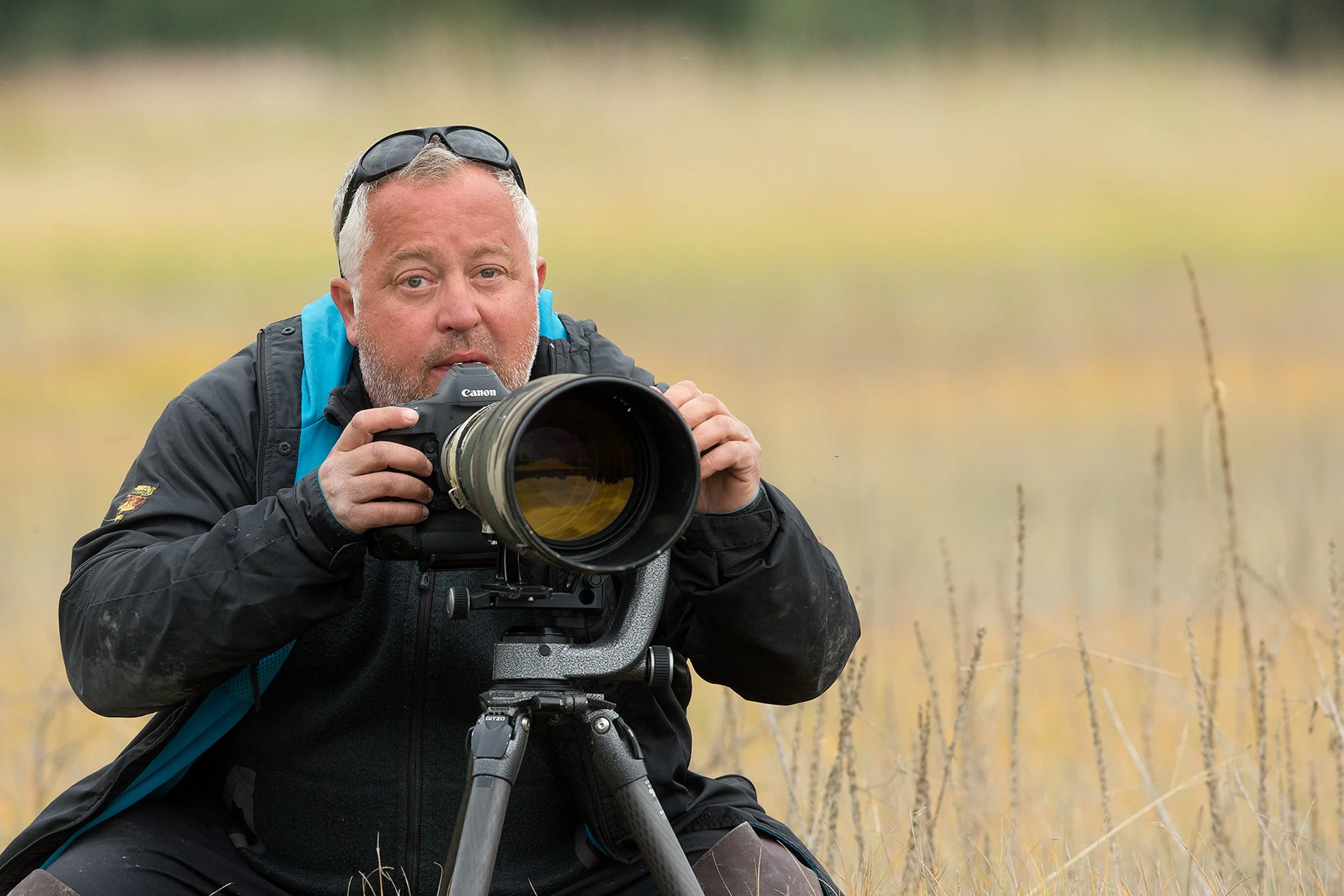
What inspired you to take up nature photography, why did you choose to make it your career and what do you love most about it?
I was always interested in the natural world and was fascinated by the BBC programme ‘Life on Earth’ as a child. My love for wildlife continued, and I went to Africa on a safari in my late teens and met a photographer who had all the gear. I was fascinated by what he was doing, and so when I got back home, I bought a second-hand camera and lens, and I have been doing wildlife photography ever since.
Tell us about a highlight and a lowlight of your career
Without doubt, my highlight is taking my first photograph of a wild wolf in Finland. I am obsessed with wolves, and I have been trying to photograph them for the past 30 years. They are one of the hardest subjects to photograph as they are so clever and have been the most persecuted by humans, so they avoid us at all costs.
My lowlight has been the thousands of hours waiting to see a wild wolf, but it really hasn't been a low point because you just never know what you are going to see, and that is the excitement of wildlife photography.
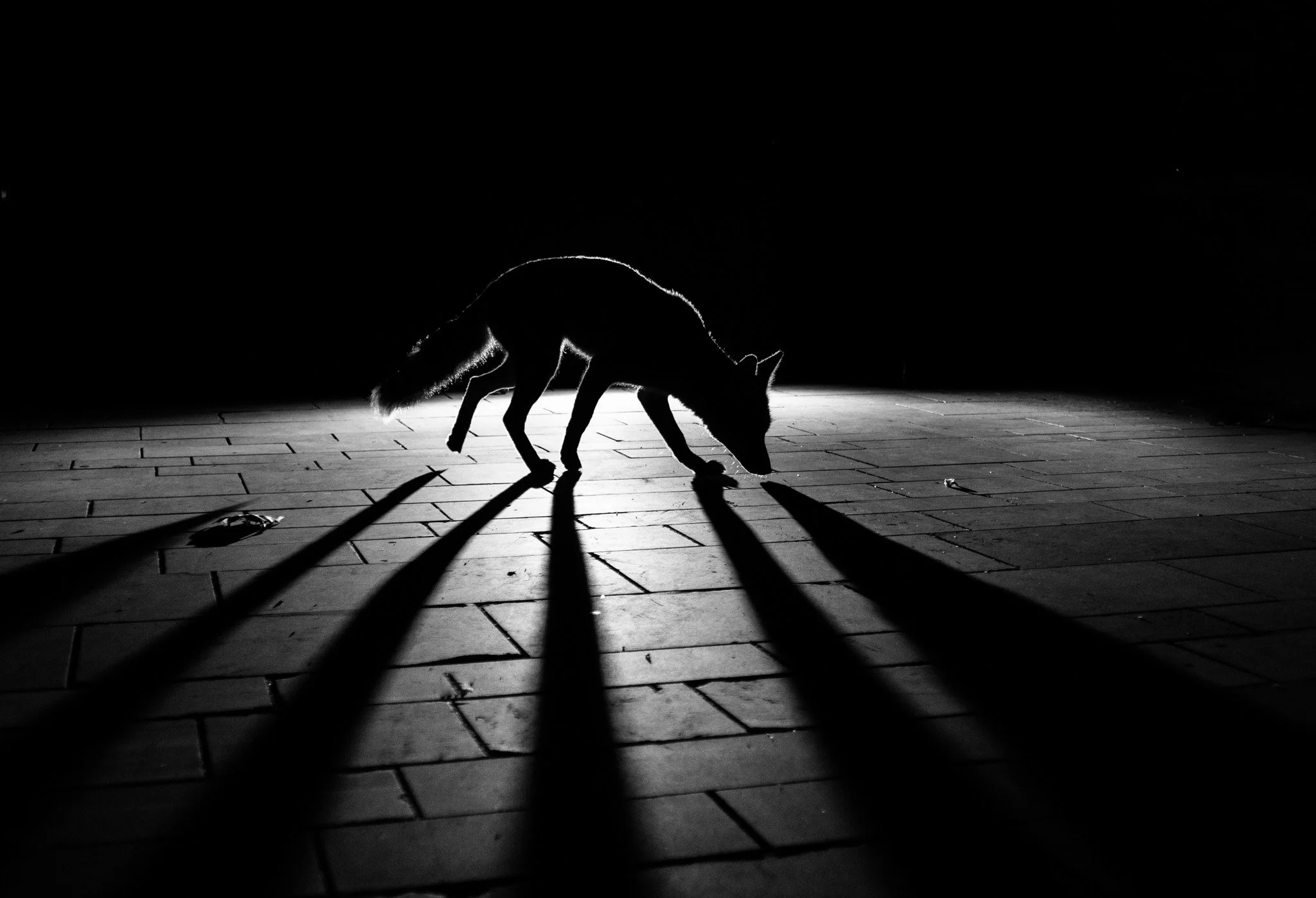
BWPA 15 is now closed for entries.
View last year’s winners in our gallery
If you could go back to when you were just starting out, what advice would you give yourself?
Find a subject that you like and work with it, and then work some more.
The more you know your subject, the easier it will become because you become familiar with its habits and its habitat.
What is your favourite British species, landscape or habitat to photograph and why?
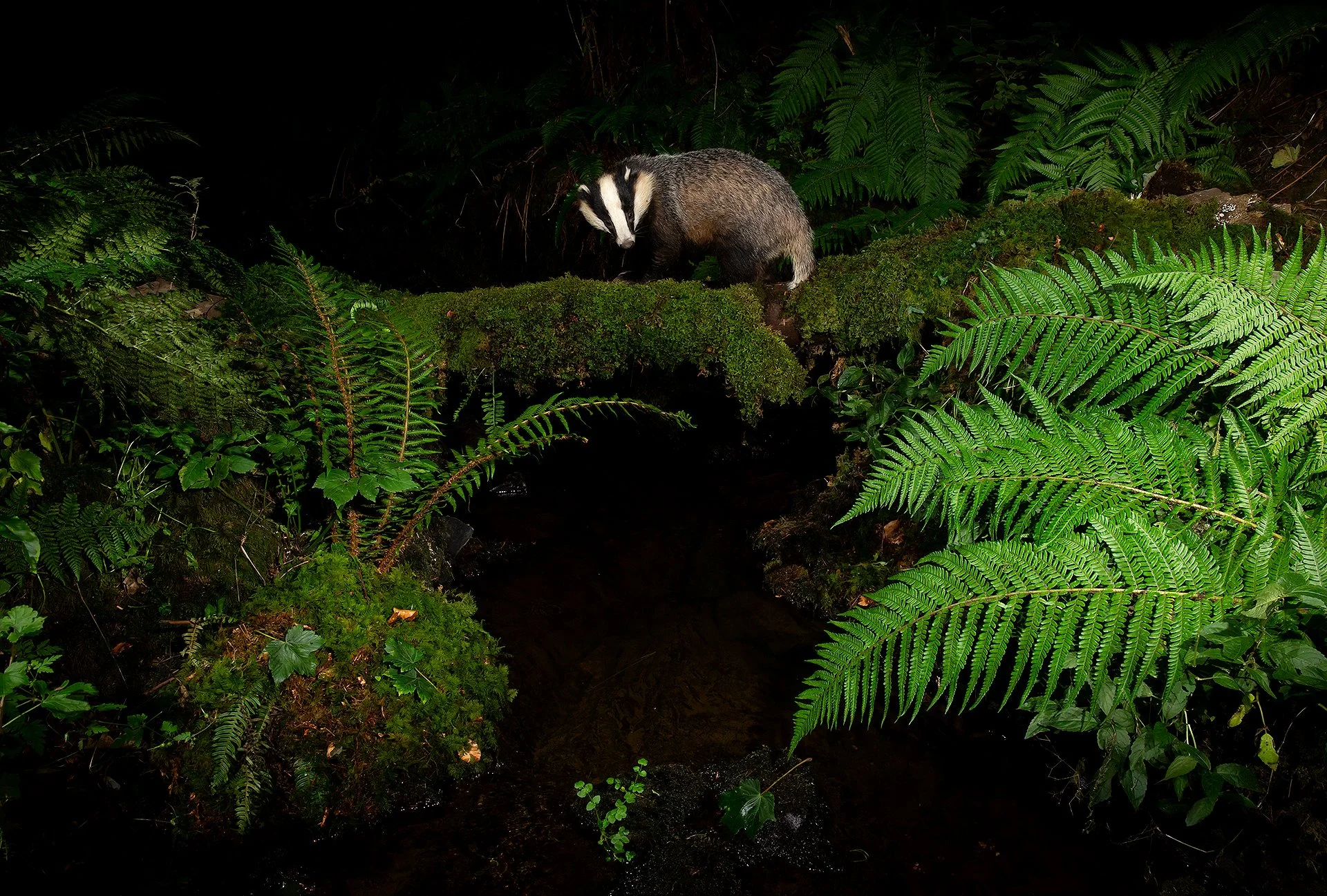
Badgers have always been a favourite subject of mine.
I love the challenge of trying to achieve images of them, as they are nocturnal in their habits, and so it makes it hard to see and photograph them. They are easy to find, but they are so shy and elusive, which makes it very difficult to get images of them, but that's why I like the challenge.
© Danny Green
Show us your favourite photo that you have ever taken - why is it your favourite and what is the story behind it?
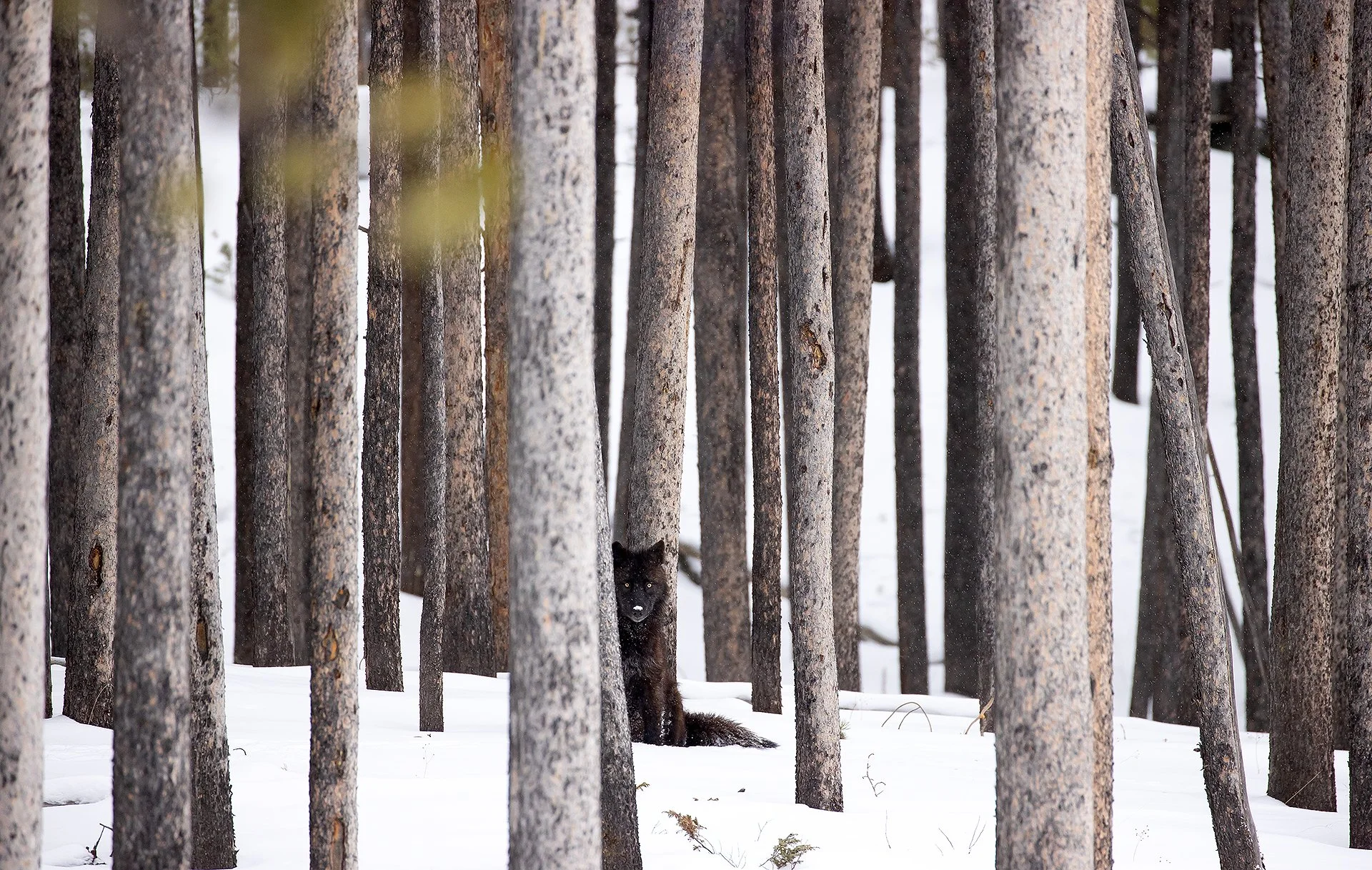
Well, it has to be a wolf shot that I took in Yellowstone a few years back. I had seen a Black Wolf before at a distance, but it was such a beautiful animal to see, so I was desperate to manage a decent picture of one.
A pack of Wolves had brought down a Bison, and some were feeding on it, but the rest of the pack were deep in the forest. Then, this Black Wolf started to make its way through the forest to the carcass, and he just paused and posed for me to take this picture.
© Danny Green
What is the most challenging shot you have ever captured - and why?
Well that's a tough question, but it would probably be an encounter of a male and female Polar Bear during their courtship ritual.
The picture itself wasn't a challenge to take, but the logistics of getting there and the weather conditions to deal with were certainly a huge challenge. Working in winter conditions in the Arctic has certainly been my toughest challenge.
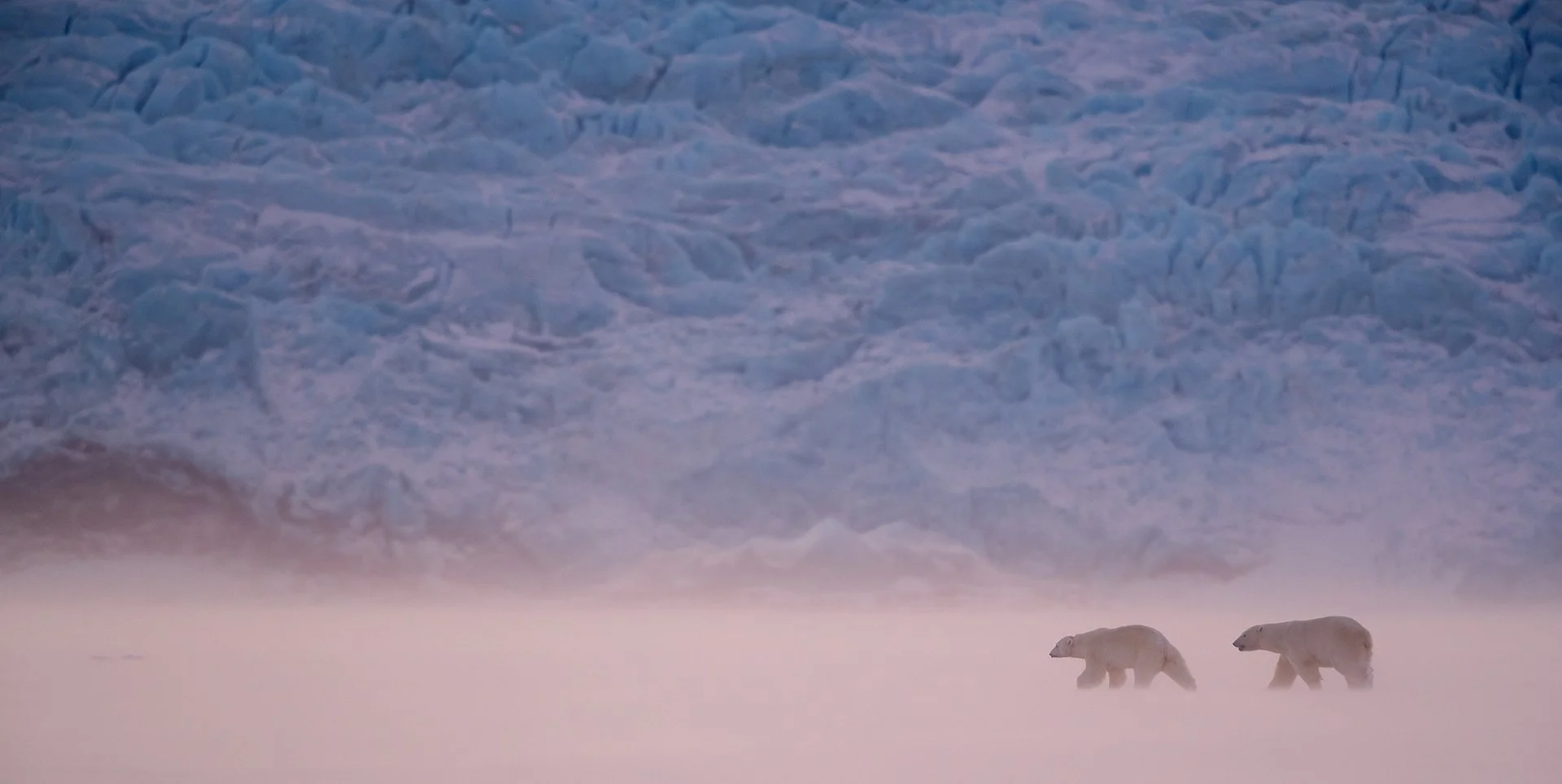
© Danny Green
Which BWPA category is your favourite and why?
I love the ‘Wild Woods’ category as I love the species you can find in Woodlands.
The best time in nature in the UK is during the spring, and to walk through ancient woodland listening to the dawn chorus is a magical experience.
You can see the full list of BWPA Categories here.
What are your top tips and advice to entrants - how can they make their images stand out?
First of all, I look at the beauty of the image itself; it doesn't matter what the subject is, whether it is common or rare, the image itself has to have that striking beauty.
That can be many different parts to an image, whether it's beautiful light or a great setting that the subject is in, or some great bit of behaviour that only the camera can capture. But above all, originality is the key.
Danny will be joining our other wonderful judges on the panel for the 15th British Wildlife Photography Awards.
Entries for this year’s competition are now closed and judging is underway!
Updates will be shared on our socials and in our newsletter.
